How to Enter the Malta VAT Lottery: Step-by-Step Guide
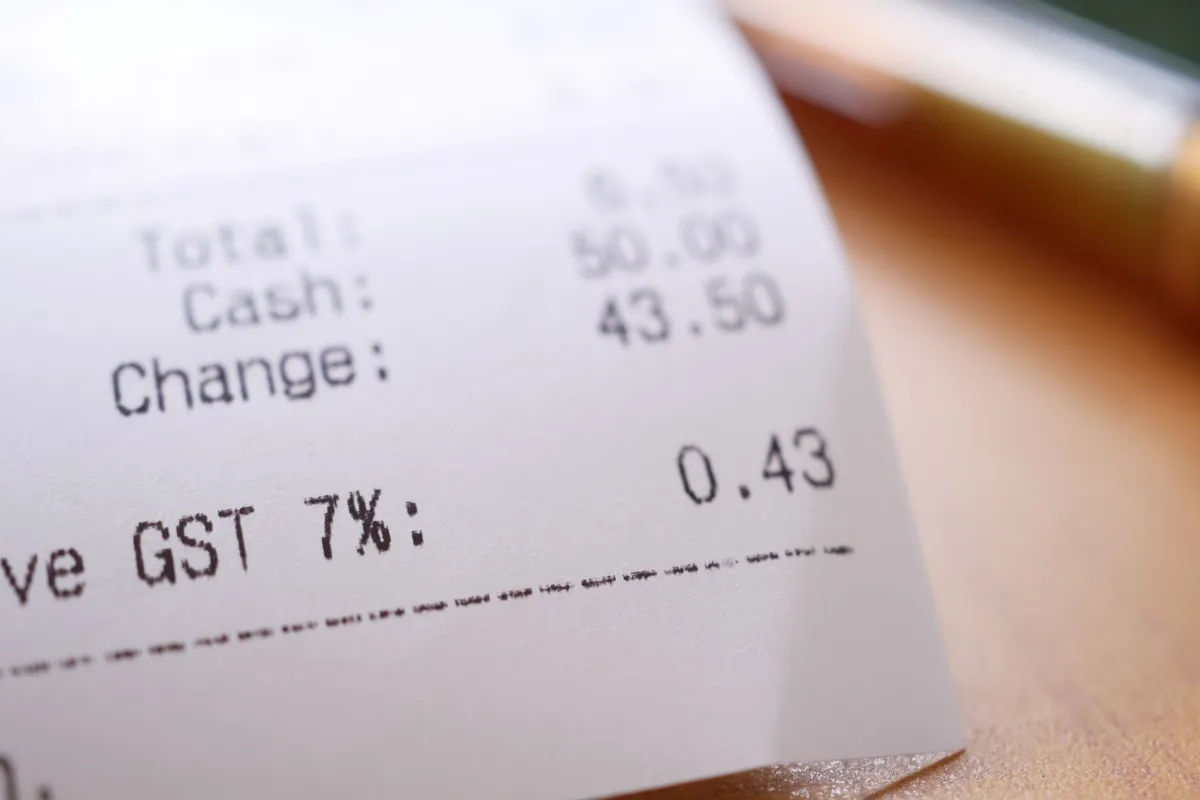
If you want to know how to enter the Malta VAT lottery, the answer is simple: write your full name, ID card number and telephone number on the back of the fiscal receipts you collect during the month, then hand them in at the Fiscal Receipts Lottery office in Marsa or post them to P.O. Box 288, Valletta, before the deadline for that month’s draw. There is no entry fee, no online form and no registration — a pen, an envelope and a stamp are all you need.
The draw takes place at the Public Lotto Department around the 15th of each month and covers receipts issued during the previous calendar month. Winners are announced as a list of ID card numbers published by the Ministry for Finance.
Below is the full process, the deadlines to watch, how the prize is calculated, and what our dataset of official results says about your realistic chances.
What the fiscal receipt lottery in Malta actually is
Malta’s fiscal receipt lottery — often called the VAT receipt lottery — encourages shoppers to ask for, and keep, the official fiscal receipt from every purchase. A business that issues a fiscal receipt is declaring that sale for VAT purposes, so the lottery is a public incentive to keep the paper trail intact.
The mechanics are generous relative to the effort involved. You are not buying a ticket; you are re-using something you already have. Every receipt you write your details on is a separate entry, so a household that shops normally can submit dozens of entries each month for the cost of a single stamp.
All fiscal receipts are eligible regardless of the holder’s nationality. Residents, non-residents and visitors can all take part, provided the receipt is a genuine Maltese fiscal receipt and your details are written on it.
How to enter the Malta VAT lottery, step by step
1. Collect and keep your fiscal receipts
Ask for the fiscal receipt at every purchase — the supermarket, the pharmacy, the corner shop, the restaurant, the garage. Keep them dry and flat: creased or faded receipts are harder to read, and legibility matters when a receipt is drawn.
2. Write your details on the back
On the reverse of each receipt, write clearly:
- Your full name
- Your ID card number
- A telephone number where you can be reached
Use a ballpoint pen rather than a pencil or a marker that might bleed through. Write the ID card number carefully — results are published as ID card numbers, so a single wrong digit can cost you a prize.
If you are visiting Malta and do not hold a Maltese ID card, write the number of the identity document you are carrying along with a contactable phone number, and check the current instructions with the Public Lotto Department if you are unsure.
3. Bundle them up
There is no limit on how many receipts you can submit, and no form to fill in. Many people keep an envelope in a kitchen drawer, write their details on receipts as they come in and drop them straight in. At the end of the month the envelope is ready.
4. Deliver or post them before the deadline
You have two options:
| Method | Address | Notes |
|---|---|---|
| By hand | Fiscal Receipts Lottery, Qasam Industrijali, Marsa MRA007C | Useful if you are cutting it fine on time |
| By post | Fiscal Receipts Lottery, P.O. Box 288, Valletta | The easiest option for most households |
If you post your entries, allow several days for delivery. Receipts that arrive after the cut-off miss that month’s draw.
5. Check the results
After the draw, the winning ID card numbers are published by the Ministry for Finance as a PDF on the official fiscal receipts lottery results page. You can also see the latest results and browse all draws by month on this site, where we republish the official lists in a searchable format.
Deadlines: when the draw happens and when receipts must arrive
The rhythm is monthly and predictable:
- Receipts eligible: those issued during the previous calendar month.
- Deadline: typically noon, a few days before the draw — so aim to have your envelope in the post well before the 10th of the month.
- Draw date: around the 15th of the month, at the Public Lotto Department.
- Results published: shortly after the draw, as a list of winning ID card numbers.
The safest habit is to post your receipts in the first few days of the new month. January’s receipts then go out in early February and are comfortably in the box before the mid-February draw. Because the exact cut-off can shift with weekends and public holidays, treat “early in the month” as your personal rule rather than trying to hit the last possible hour.
How much you can win
The prize is worked out from the value of the receipt drawn:
Prize = receipt value × 100, with a minimum of €233 and a maximum of €11,647.
Even a very small receipt is worth entering: a €1.50 coffee receipt still pays the €233 minimum if drawn. Once a receipt passes roughly €116.47, the prize hits the cap.
| Receipt value | Prize paid |
|---|---|
| €1.50 | €233 (minimum applies) |
| €2.33 | €233 |
| €12.00 | €1,200 |
| €48.60 | €4,860 |
| €116.47 | €11,647 (cap reached) |
| €500.00 | €11,647 (capped) |
Capped wins are not rare. Across our dataset of official results, 115 winning receipts have paid out the full €11,647. Recent examples include a receipt of €186.50 in July 2026, receipts of €136.70 and €175 in June 2026, €156.50 in May 2026 and €127.95 in April 2026 — all everyday amounts for a large grocery shop, a household appliance or a service bill.
The largest receipt value ever drawn in our dataset was €10,645 in December 2022. Because of the cap, it still paid €11,647 — a reminder that a modest receipt of €120 is worth exactly as much to you as one for several thousand euro.
What the numbers say about your chances
We maintain a dataset of official results covering 116 draws from November 2016 to August 2026. In that period there have been 3,116 winners, an average of 26.9 winners per draw.
Winners by year:
- 2016: 46 (partial year)
- 2017: 300
- 2018: 283
- 2019: 350
- 2020: 286
- 2021: 306
- 2022: 309
- 2023: 289
- 2024: 331
- 2025: 351
- 2026: 265 (year to date)
The most recent draw in our dataset, August 2026, produced 41 winners.
Two practical conclusions follow. First, several hundred people win every year; this is not a one-in-a-nation jackpot. Second, because each receipt is a separate entry, the biggest factor you control is how many receipts you submit. Someone entering three receipts a month is playing a very different game from someone entering sixty.
Common mistakes worth avoiding
- Writing on the printed side. Details go on the back, where they will not obscure the receipt’s own information.
- Illegible ID numbers. If the number cannot be read, the win cannot be matched to you. Print the digits.
- Forgetting the phone number. It is one of the required details and it is how you may be contacted.
- Using thermal-sensitive pens or heavy markers. Fiscal receipts are usually printed on thermal paper that darkens with heat and pressure. A normal ballpoint is best.
- Posting too late. A receipt that misses the cut-off is out of that draw.
- Submitting non-fiscal documents. Card terminal slips, delivery notes and pro-forma invoices are not fiscal receipts.
- Not checking the results. Prizes are announced by ID card number, so nobody will necessarily chase you. Check every month.
Checking whether you have won
After each draw, the Ministry for Finance publishes the winning ID card numbers. Search the list for your number — and for the numbers of any family members whose receipts you posted. Keep a note of which months you entered, so you know which lists to check.
On this site you can view the latest results as soon as they are published and look back through all draws by month to see receipt values and prize amounts for past draws. If you would rather not remember to check, set up email notifications and have each month’s results come to you.
A simple monthly routine
Make this a habit rather than a project:
- Ask for the fiscal receipt every time.
- Write name, ID card number and phone number on the back that evening.
- Drop the receipt into an envelope kept at home.
- Post the envelope to P.O. Box 288, Valletta in the first days of the new month — or drop it in by hand in Marsa.
- Check the results after the 15th.
It costs the price of a stamp and takes a few seconds per receipt. With a minimum prize of €233 and hundreds of winners each year, it is one of the better-value habits available to anyone shopping in Malta.
Want the results without having to remember? Subscribe for free monthly email notifications and we will send you each draw’s winning numbers as soon as they are published.
Frequently asked questions
What do I need to write on my fiscal receipt to enter?
Write your full name, your ID card number and a telephone number on the back of the receipt, using a ballpoint pen so the details stay legible. No form or registration is needed — the receipt itself is your entry.
Where do I send my receipts for the Malta VAT lottery?
You can post them to Fiscal Receipts Lottery, P.O. Box 288, Valletta, or deliver them by hand to Fiscal Receipts Lottery, Qasam Industrijali, Marsa MRA007C. Both routes are free apart from postage.
When is the draw and what is the deadline?
The draw is held around the 15th of each month at the Public Lotto Department and covers receipts issued during the previous calendar month. The deadline is typically noon a few days before the draw, so post your envelope early in the month to be safe.
How much can I win?
The prize is the receipt value multiplied by 100, with a minimum of €233 and a maximum of €11,647. That means a receipt of about €116.47 or more pays the full capped prize. In our dataset of official results, 115 winning receipts have paid the €11,647 maximum.
Can tourists and non-residents enter?
Yes. All fiscal receipts are eligible regardless of the holder's nationality. If you do not hold a Maltese ID card, write the number of the identity document you carry along with a phone number you can be reached on, and check the current instructions with the Public Lotto Department if in doubt.
Sources: finance.gov.mt